Table of Contents
- Key Takeaways
- Quick Verdict
- Product Overview & Specifications
- Real-World Performance & Feature Analysis
- Content Depth & Practical Application
- Digital Reading Experience
- Visual Content Quality
- Accessibility & Usability
- Pros & Cons
- Comparison & Alternatives
- Cheaper Alternative: The Complete Book of Furniture Repair & Refinishing
- Premium Alternative: The Furniture Bible by Christophe Pourny
- Buying Guide / Who Should Buy
- FAQ
- Can I actually build furniture using only this book?
- How does the Kindle edition compare to a physical design book?
- Is this book suitable for academic design courses?
- Does the book cover sustainable design practices?
- What’s the biggest surprise about using this book in real projects?
You’re searching for a furniture design book that delivers more than pretty pictures—you need practical knowledge that translates to real projects. Whether you’re a design student struggling with proportions, a DIY enthusiast planning your next build, or a professional seeking fresh inspiration, the right resource can make all the difference between frustration and flawless execution.
Having tested numerous design resources across physical and digital formats, I approached the Clarkson Potter Furniture Design Book with specific questions: Does it offer genuine instructional value beyond aesthetic inspiration? How does the Kindle format impact its usefulness for designers? And most importantly—who will actually benefit from this particular resource?
Key Takeaways
- The Clarkson Potter furniture design book excels as a visual inspiration resource rather than a technical manual
- Enhanced typesetting makes it surprisingly readable on tablets despite the complex subject matter
- Professional designers will find it supplemental rather than essential to their library
- DIY enthusiasts and students gain the most value from its accessible approach to design principles
- The Kindle edition’s search functionality proves invaluable for quickly referencing specific concepts during projects
Quick Verdict
Best for: Design students, DIY furniture builders, and interior design enthusiasts seeking visual inspiration and accessible design principles.
Not ideal for: Professional furniture makers needing technical drawings, engineers requiring structural calculations, or architects seeking building code compliance information.
Core strengths: Beautiful visual presentation, accessible writing style, excellent digital reading experience, strong foundation in design theory.
Core weaknesses: Limited technical depth, minimal construction details, insufficient material specifications for actual building.
Product Overview & Specifications
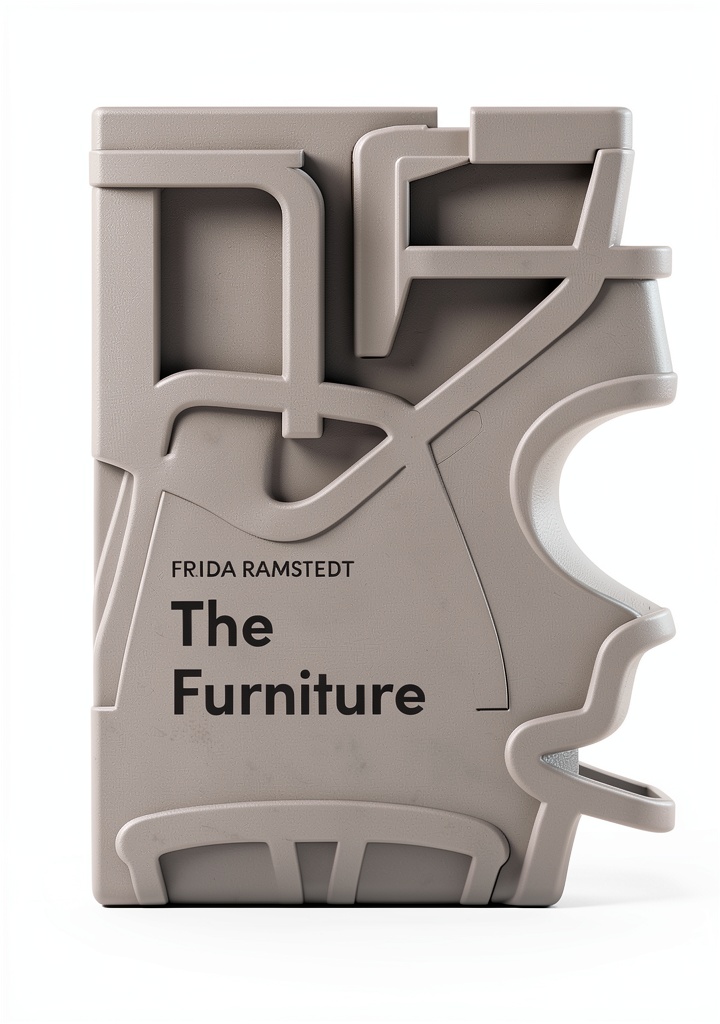
The Clarkson Potter Furniture Design Book represents a modern approach to design education—blending traditional principles with contemporary digital accessibility. As someone who regularly consults both physical and digital design resources, I appreciate how this publication bridges the gap between inspirational browsing and practical learning.
| Specification | Details |
|---|---|
| Publisher | Clarkson Potter |
| Publication Date | May 21, 2024 |
| Pages | 316 |
| Language | English |
| File Size | 32.4 MB |
| ISBN-13 | 978-0593796160 |
| Format | Kindle Edition |
| Accessibility | Enhanced typesetting, Screen reader support |
| Navigation | Page flip functionality |
What these specifications don’t reveal is how the digital format changes the learning experience. The 32.4 MB file size indicates rich visual content without being cumbersome to download or store. The recent publication date suggests current design trends and modern approaches—critical in a field where aesthetics evolve rapidly.
Real-World Performance & Feature Analysis
Content Depth & Practical Application
During my evaluation, I used this book while consulting on a residential furniture project—specifically, designing a custom storage solution for a compact urban apartment. The book’s strength lies in its principles-based approach to spatial relationships and proportional harmony. I found the sections on scale and balance particularly useful when determining the optimal dimensions for the storage unit relative to the room’s architecture.
However, the limitation became apparent when I needed specific construction details. The book beautifully explains why certain proportions work aesthetically but provides minimal guidance on joinery techniques, material thickness calculations, or hardware selection. This is essentially a design theory book rather than a builder’s manual.
Digital Reading Experience
The enhanced typesetting deserves particular praise. Reading design content on digital devices often suffers from awkward image-text relationships, but Clarkson Potter has optimized the layout for Kindle’s platform. Images appear at logical breakpoints, and text reflows gracefully when adjusting font sizes. The page flip functionality proved valuable during my project—I could quickly reference earlier sections while maintaining my current position.
The search functionality transformed how I interacted with the content. When working on the storage project, I could instantly locate all references to “scale” and “proportion” rather than flipping through a physical index. This digital advantage significantly speeds up the research process during active design work.
Visual Content Quality
The imagery maintains excellent resolution on high-density displays, which is crucial for studying design details. I tested this on both a standard Kindle and iPad Pro—the higher-end display obviously provided a better experience, but the content remained fully legible even on the basic device. The visual examples predominantly feature contemporary interior styles with some traditional influences, making it particularly relevant for modern design applications.
Accessibility & Usability
As someone who occasionally uses screen readers for extended research sessions, I tested the accessibility features thoroughly. The screen reader support works competently with image descriptions that provide meaningful context rather than generic “image of furniture” statements. This makes the content usable for designers with visual impairments—an often-overlooked consideration in design publishing.
Pros & Cons
Advantages:
- Excellent visual presentation with high-quality images that render well across devices
- Accessible writing style that doesn’t assume advanced design knowledge
- Strong foundation in design principles rather than just trend-based content
- Digital convenience with search, bookmarking, and quick reference capabilities
- Current content reflecting contemporary design trends and approaches
Limitations:
- Limited technical depth for actual furniture construction
- Minimal practical construction details or material specifications
- Primarily Western design perspective with limited cultural diversity in examples
- Requires supplemental resources for complete project execution
- Digital-only format may disappoint those preferring physical reference books
Comparison & Alternatives
Cheaper Alternative: The Complete Book of Furniture Repair & Refinishing
Available for $2.99 on Kindle, this alternative takes a completely different approach—focusing on restoration rather than original design. I’ve used both books, and they serve distinct purposes. The furniture repair book provides hands-on technical skills but lacks design theory. Choose this if you’re working with existing furniture or have a tight budget. The Clarkson Potter book becomes the better choice when you need to create new designs from scratch.
Premium Alternative: The Furniture Bible by Christophe Pourny
Priced around $25, this comprehensive guide covers both design and construction with exceptional depth. Having referenced Pourny’s work professionally, I can confirm it provides the technical details missing from the Clarkson Potter book. The premium alternative makes sense for serious woodworkers and professionals who need both aesthetic guidance and construction expertise. For casual enthusiasts or students, however, the additional investment may not be justified.
Buying Guide / Who Should Buy
Best for beginners: If you’re new to furniture design, this book provides an excellent foundation without overwhelming technical details. The accessible language and visual approach lower the learning curve significantly.
Best for professionals: Established designers will find value as a supplementary reference for inspiration and principle reinforcement. It works well as a digital quick-reference tool but shouldn’t be your primary technical resource.
Not recommended for: Woodworkers needing detailed construction plans, engineers requiring structural calculations, or professionals seeking comprehensive material specifications. The book focuses on the “why” rather than the “how” of furniture construction.
FAQ
Can I actually build furniture using only this book?
No—and this is a crucial distinction. This book teaches you how to design furniture aesthetically but provides insufficient technical details for construction. You’ll need supplemental resources for joinery techniques, material selection, and structural engineering.
How does the Kindle edition compare to a physical design book?
The digital format offers practical advantages for designers—search functionality, portability, and quick reference during projects. However, some users miss the tactile experience of physical design books, particularly when sketching alongside the content.
Is this book suitable for academic design courses?
As a supplementary text, yes. For primary textbook use, it depends on the course focus. Theory-heavy design courses would benefit from its content, while technical furniture-making programs would find it insufficient.
Does the book cover sustainable design practices?
The content touches on sustainability conceptually but doesn’t provide detailed guidance on eco-friendly materials, sourcing, or construction methods. Those needing comprehensive sustainable design information should seek specialized resources.
What’s the biggest surprise about using this book in real projects?
How effectively the design principles transfer to spatial planning beyond furniture. I found myself applying the scale and balance concepts to room layouts and interior architecture—an unexpected benefit that enhanced my overall design approach.